

News

Experiencing issues with your Septree food dehydrator can be frustrating, especially when you're eager to preserve your favorite foods. Common problems such as the dehydrator not powering on, uneven drying results, inaccurate temperature settings, fan malfunctions, overheating, unpleasant odors, display errors, excessive noise, and tripped circuit breakers can hinder your dehydration process. Understanding these issues and knowing how to address them is crucial for maintaining the efficiency and longevity of your appliance. In this guide, we'll explore these common challenges and provide practical solutions to ensure your Septree food dehydrator operates optimally, delivering perfectly dried foods every time.

The holiday season offers a wonderful opportunity to craft personalized, health-conscious gifts that showcase your culinary skills. Utilizing a food dehydrator, you can create an array of delectable treats that are both unique and enduring. From sweet dried fruits like apples and mangoes to savory beef jerky and aromatic herb blends, these homemade gifts are perfect for friends and family who appreciate thoughtful, handcrafted presents. Not only do dehydrated foods have an extended shelf life, but they also retain essential nutrients, making them a wholesome alternative to store-bought snacks. Embrace the spirit of giving this holiday season by exploring creative ideas for DIY dehydrated food gifts that are sure to delight your loved ones.
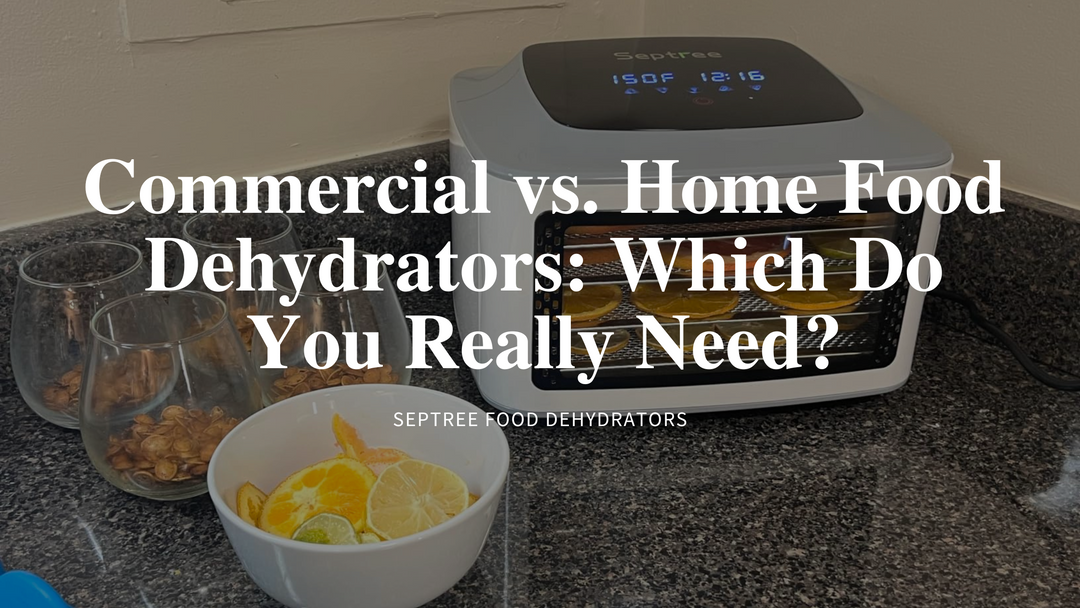
Choosing between a commercial and a home food dehydrator depends on your specific food preservation requirements. Commercial dehydrators are designed for high-volume processing, featuring robust construction, multiple trays, and advanced features suitable for businesses or serious home users. For example, Septree offers models with up to 88 trays and high wattage, ideal for drying large quantities of fruits, vegetables, and meats. In contrast, home food dehydrators are more compact and budget-friendly, typically offering 4 to 10 trays, making them suitable for everyday household use. Understanding the differences in capacity, durability, and cost between these two types can help you make an informed decision that best fits your food dehydration needs.
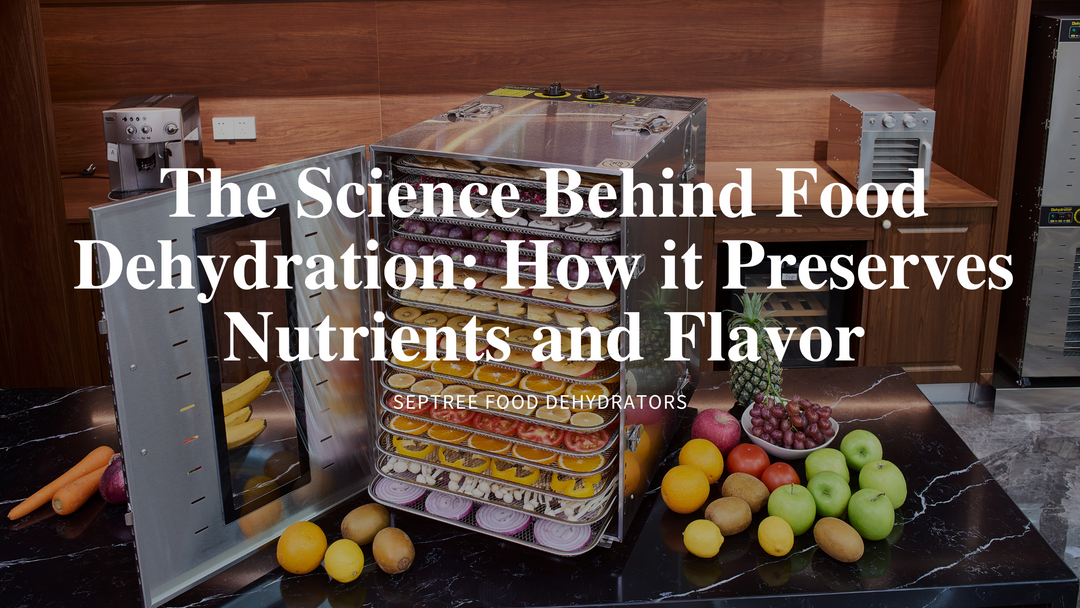
Food dehydration is a time-honored preservation technique that extends shelf life by removing moisture, thereby inhibiting the growth of bacteria, mold, and yeast. This process not only prevents spoilage but also concentrates flavors and retains essential nutrients, making dehydrated foods both delicious and nutritious. Modern food dehydrators have revolutionized this method by providing controlled environments with precise temperature and airflow settings, allowing for the efficient dehydration of a wide variety of foods, from fruits and vegetables to meats and herbs. By understanding the science behind food dehydration, you can effectively create healthy, long-lasting snacks that maintain their original taste and nutritional value.

Embarking on a camping adventure requires lightweight, nutritious, and durable food options. Dehydrating fruits is an excellent way to create portable snacks that are both delicious and energy-boosting. By removing moisture, you not only reduce the weight of the fruits but also extend their shelf life, making them ideal for outdoor excursions. In this guide, we'll walk you through the process of preparing, slicing, and dehydrating fruits at the optimal temperature of 135°F until they reach a leathery consistency. We'll also cover proper storage techniques to ensure your dehydrated fruits remain fresh and tasty throughout your camping trip.